Monday, May 9, 2016

The Aftermath of Cecil

Interview with lion researcher Brent Stapelkamp


The hunting of Cecil the lion on the eastern border of Hwange National Park in Zimbabwe has triggered hysteria from the public, and it’s been difficult to sift fact from fiction.

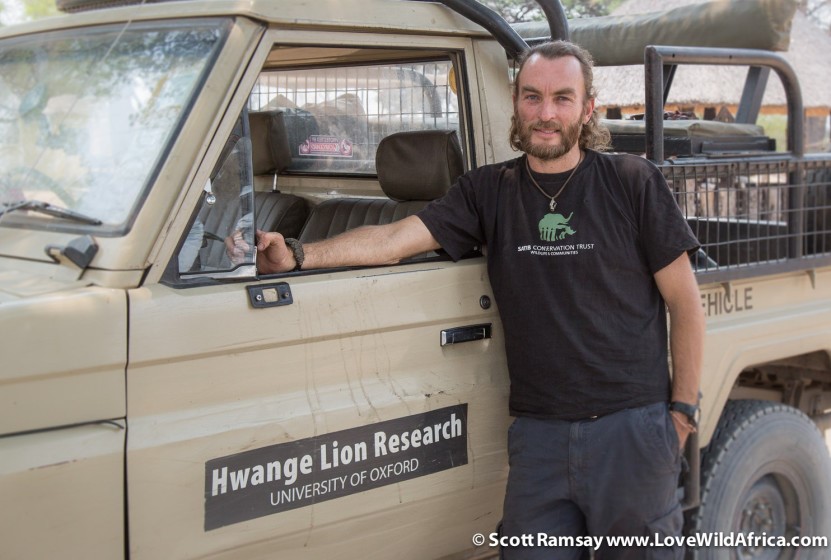
While I was recently in the 14 650 square kilometre park, I interviewed lion researcher Brent Stapelkamp, who has worked for nine years on the Hwange Lion Research Project, which was started in 1996 by Dr. Andy Loveridge as part of an Oxford University study on the dynamics of hunting on lion populations. (Click here to download the research paper).

Brent lives on the border of Hwange, and is responsible for collaring, tracking and studying the lions that live in the east and south of Hwange, part of which formed Cecil’s territory.

Cecil was collared in 2008 with a GPS satellite collar, and at the time of his death, he was one of 30 collared lions in Hwange. The data of his movements was uploaded every two hours to a database. Together with hundreds of hours of direct observation of Cecil, the data gave Brent a better understanding of Cecil’s movements and behaviour than anyone else.

According to Brent’s data and information, Cecil was initially shot and wounded with a bow arrow at about 10pm on 1st July 2015, on a private farm in the Gwaai Intensive Conservation Area, about a kilometre east of the national park’s unfenced boundary. An elephant carcass was the bait. From subsequent data on Cecil’s collar, the research team could tell that Cecil had been killed by a second shot, about 11 hours after the initial arrow was shot into him. He died around 9am on 2nd July.


Wednesday, May 4, 2016

The Facts on the State of Lake Kariba - April 2016


Contrary to all the terrible stories going around about the Wall collapsing and the lake drying up, I would like to give you, past, the regular and future visitor to Kariba a couple of facts.

Monday, April 4, 2016

Why One Day is Not Enough in Victoria Falls

There have been a few instances where we have had clients who are on a tight schedule and decide to make a last minute dash to Victoria Falls for a single night. Granted, Victoria Falls is a small place (some have even described it as a village), but it's not the size of the boat that matters - so to speak. It is possible to enjoy Victoria Falls for a day, but more often than not, clients find themselves wishing they had made a bigger and better plan because there is so much on offer.

Wednesday, March 23, 2016

Beauty of the Zambezi River

The Zambezi River is not Africa's largest river, but it has drawn so many people to its shores, waterfalls, intersections and lakes. The longest east-flowing river flows through six countries birthing in northern Zambia and meandering through Angola, Namibia, Botswana, Zimbabwe, and Mozambique before spilling into the Indian Ocean.

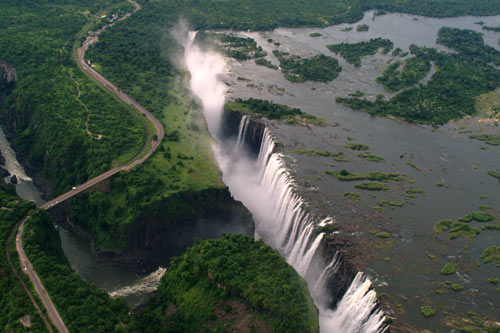
Perhaps the most remarkable of destinations on the Zambezi River are the Victoria Falls, the largest waterfall in the world where it makes a sudden 110m drop (possibly more - click here for more), and in Mana Pools, a world heritage site known for its thriving and huge variety of wildlife as well as its breathtaking landscape.


Thursday, March 17, 2016

Cruise Boat or Jet Boat?

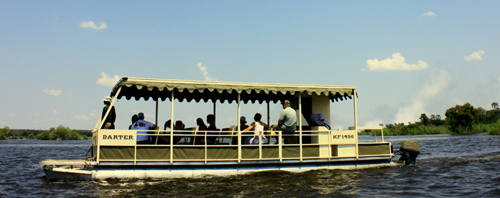
The first time that I heard the term "jet boat cruise", I immediately thought that it was probably a high speed boat jetting up the Zambezi River, splashing lots of water and making noise for the animals and people on the bigger more silent cruise boats along the way - and I’m sure I’m not the only one. The Jet boats that operate in Victoria Falls are certainly smaller than the big cruise boats, and use jet propellers, but they don’t make as much noise as I imagined. Much like the river cruise boats, jet boats move slowly on the river and the cruises are relaxed. So what is the difference?

The Darter Jet boat on the Zambezi River